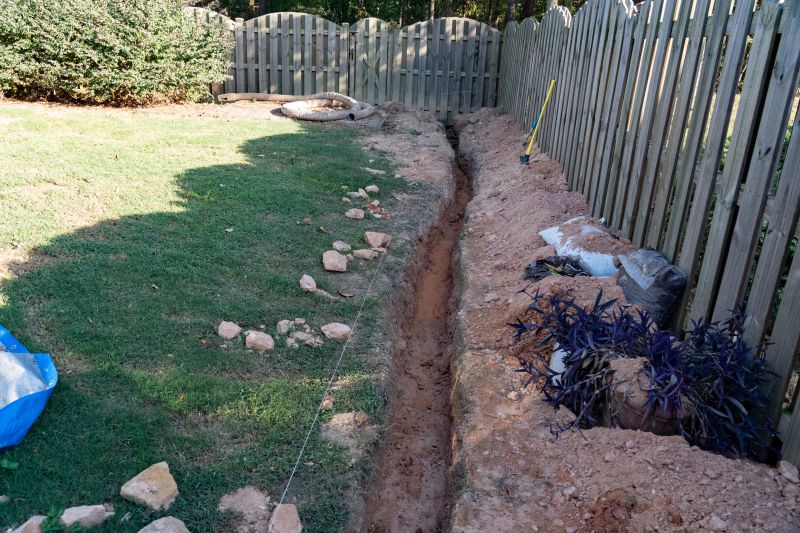
Ditch Digging in Salt Lake City, UT
Ditch digging services involve excavating trenches or holes in the ground to support a variety of property projects. Common applications include installing new irrigation lines, sewer and drainage systems, electrical wiring, or fencing. Property owners planning outdoor renovations or infrastructure upgrades often request ditch digging to prepare the site for these installations. Before requesting this service, it’s helpful to understand the scope of the project, including the desired trench depth, length, and location, as well as any underground obstacles such as existing utilities or roots that could affect the work.
Homeowners should also consider the accessibility of the digging area and whether any permits or notifications are required for excavation work. Clear communication about the project’s purpose and specifics can help ensure the process proceeds smoothly. Proper planning and awareness of underground utilities are essential to prevent damage or service disruptions during the excavation process. Contacting a professional for guidance can help determine the best approach for completing ditch digging projects safely and efficiently.
Many property owners in Salt Lake City, UT look into Ditch Digging for repairs, replacements, upgrades, and appearance-related improvements.
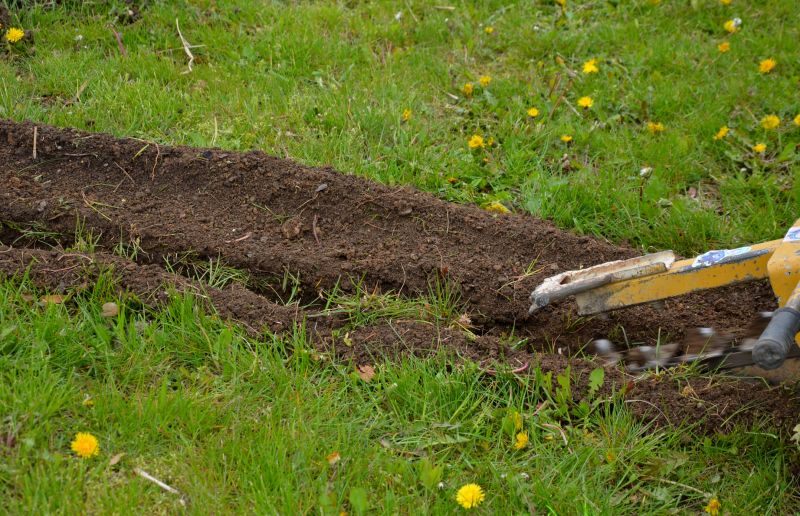
Residential Ditch Digging
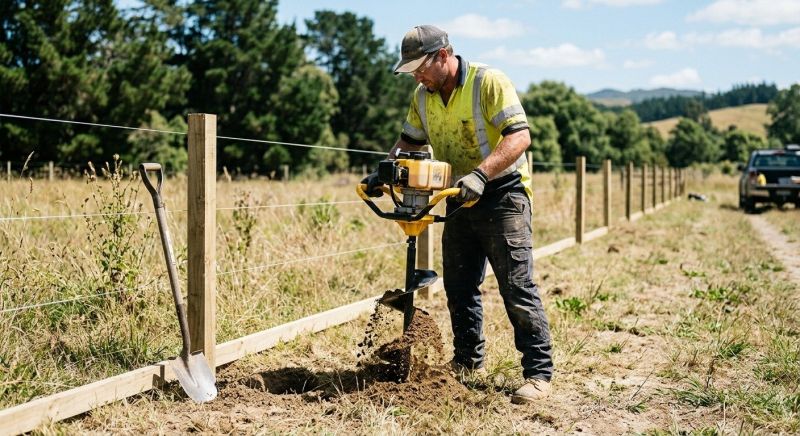
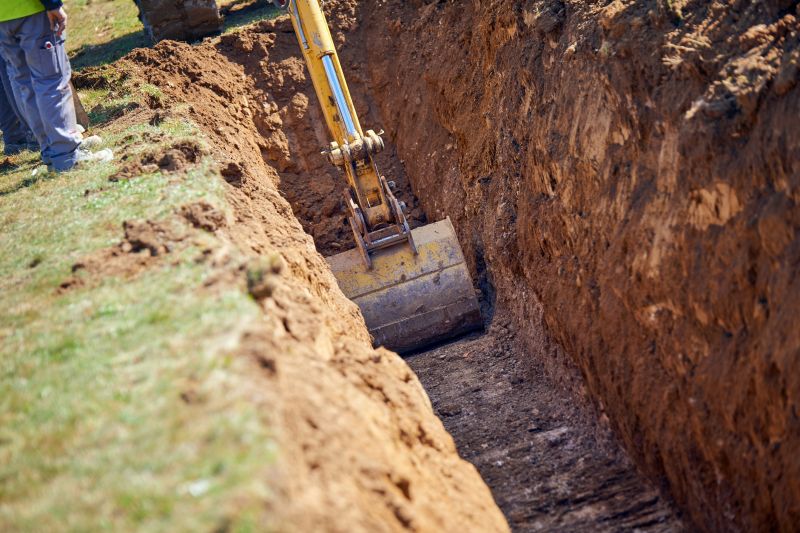
Ditch digging is often needed for installing irrigation lines, drainage systems, or utility cables on salt lake city properties.
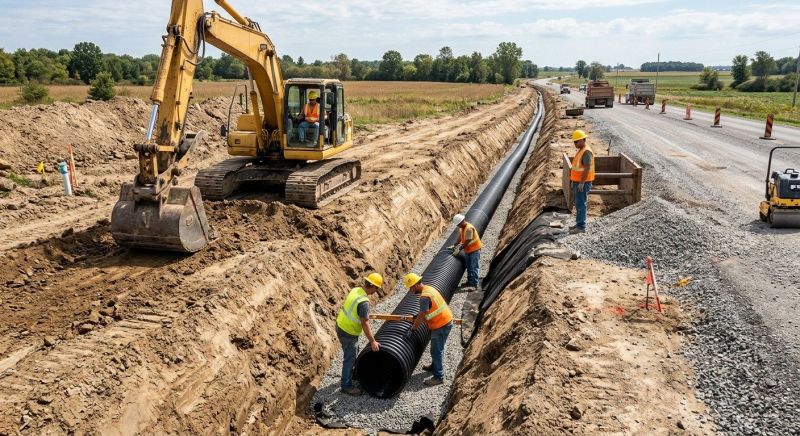
Drainage And Utility Installation
Proper ditching helps ensure effective drainage and the safe placement of underground utilities across residential and commercial sites.
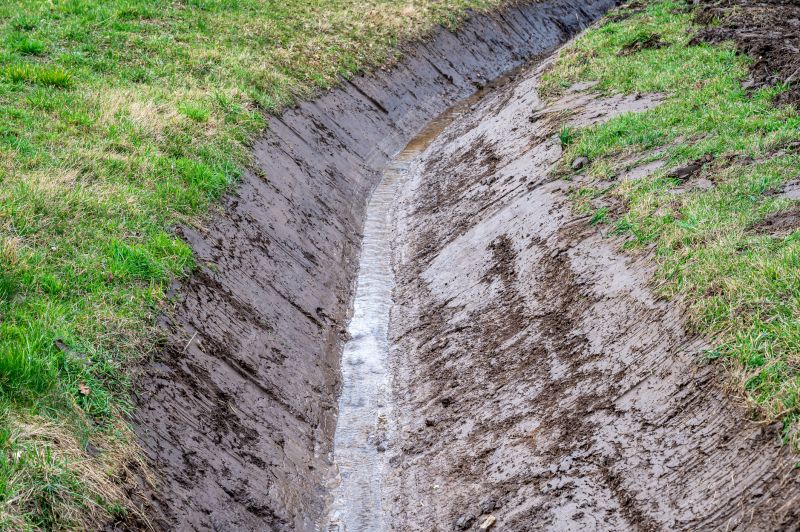
Site Preparation And Excavation
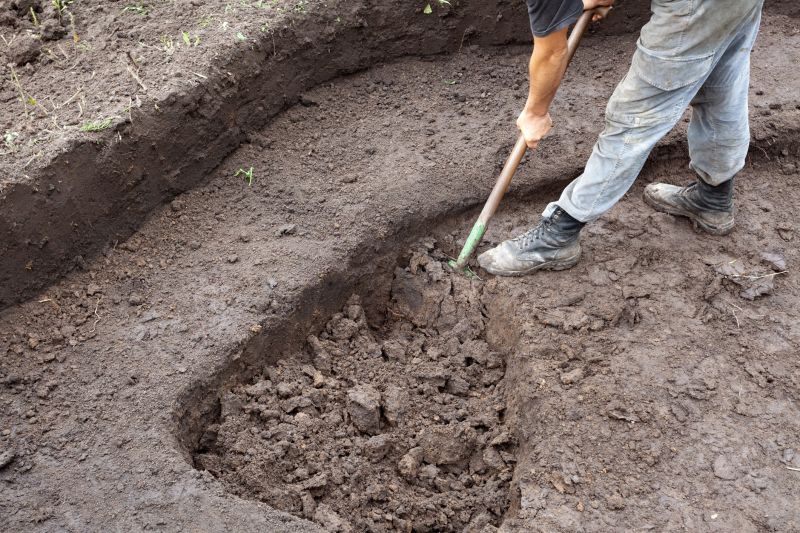
Preparing a level foundation for landscaping, fencing, or construction projects often requires careful ditch excavation to manage water flow and soil stability.
Ditch Digging in Salt Lake City, UT

Ditch digging services involve excavating trenches or holes in the ground to support a variety of property projects. Common applications include installing new irrigation lines, sewer and drainage systems, electrical wiring, or fencing. Property owners planning outdoor renovations or infrastructure upgrades often request ditch digging to prepare the site for these installations. Before requesting this service, it’s helpful to understand the scope of the project, including the desired trench depth, length, and location, as well as any underground obstacles such as existing utilities or roots that could affect the work.
Homeowners should also consider the accessibility of the digging area and whether any permits or notifications are required for excavation work. Clear communication about the project’s purpose and specifics can help ensure the process proceeds smoothly. Proper planning and awareness of underground utilities are essential to prevent damage or service disruptions during the excavation process. Contacting a professional for guidance can help determine the best approach for completing ditch digging projects safely and efficiently.
Many property owners in Salt Lake City, UT look into Ditch Digging for repairs, replacements, upgrades, and appearance-related improvements.
Common Ditch Digging Jobs
Ditch Digging Questions
What is ditch digging used for? Ditch digging is often done to install underground utilities, drainage systems, or irrigation lines on residential properties.
Are there different types of ditch digging services? Yes, services can include shallow trenches for landscaping, deeper excavations for plumbing, or specialized channels for drainage.
What should property owners consider before requesting ditch digging? It's important to identify the purpose of the ditch, check for underground utilities, and ensure proper planning for drainage or installation needs.
How does the process typically work? The process involves marking the area, excavating the trench to the required depth and width, and then backfilling and restoring the site as needed.
Request Ditch Digging in Salt Lake City, UT
Use the quote form on this page to share the basics of your project and request more information for the type of work you need.